Why “Code With Claude” hit a nerve for developers
Most developers have already tried autocomplete and chat-based help, and many walked away with the same mixed feeling: impressive in a demo, but unreliable in the messy middle of real work. “Code With Claude” landed differently because it framed the assistant less as a suggestion engine and more as something that can take on a whole change—read a codebase, propose edits across files, and keep going after the first compile error.
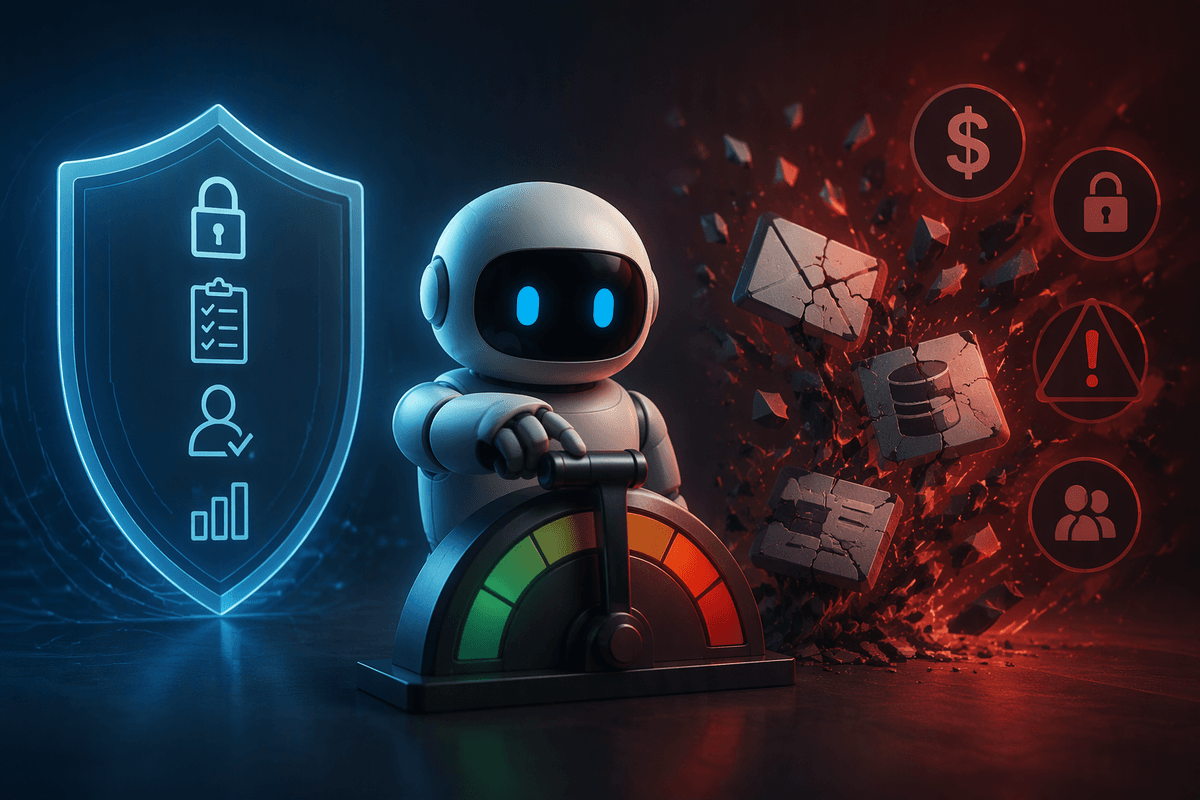
That hits a nerve because it maps to daily pain: plumbing tasks, refactors, test updates, dependency bumps, and the constant context-switching that slows shipping. It also raises an immediate worry: if a tool can touch everything quickly, it can also spread subtle mistakes, security issues, or style drift just as fast—leaving humans to do the hardest part, which is knowing what “done” actually means.
What was actually new: from autocomplete to agentic building
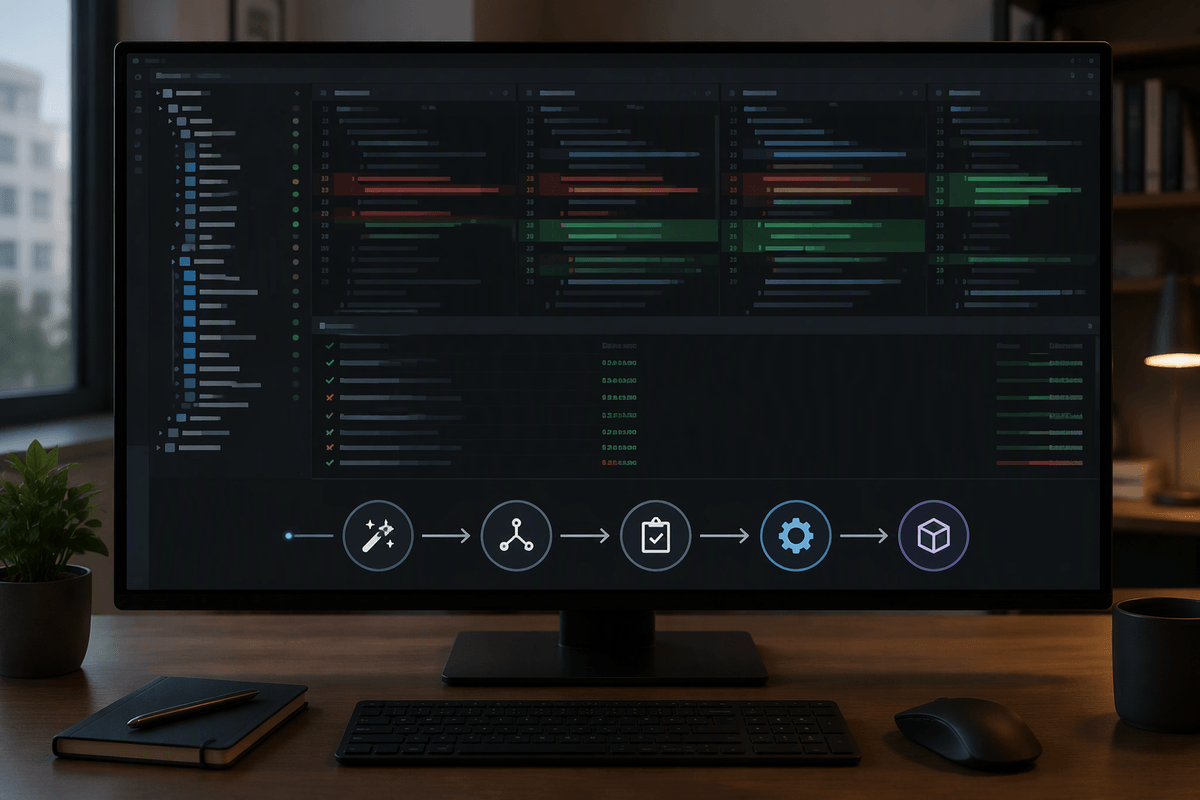
The real shift wasn’t that the model can write code; autocomplete and chat already did that. The new part was scope and control: the assistant can take a goal (“add OAuth,” “split this service,” “fix the flaky test”), inspect the repository, edit multiple files, run commands, and iterate based on what it sees. That moves it from “type-ahead” to something closer to a junior developer with very fast hands and very weak intuition about your product.
In practice, that means it can handle connected work that used to require a human to keep state across steps: updating call sites after a refactor, adjusting tests and fixtures, changing config, regenerating types, then fixing whatever breaks. The feedback loop still depends on your tooling—tests, linters, CI, and clear task boundaries—because the model will happily keep making plausible edits even when the underlying intent is wrong or underspecified.
The promise: faster shipping, fewer bottlenecks, broader leverage
You can see the appeal in the backlog everyone pretends isn’t there: the “one-day” tasks that keep slipping because they’re boring, cross-cutting, or too easy to justify interrupting a sprint. An agentic assistant turns a lot of that into a single, well-scoped request: update a library and chase the compiler errors, migrate an API client and fix call sites, tighten validation and update the tests. When it works, cycle time drops not because the hard problems vanish, but because the tool eats the coordination overhead—finding files, threading changes through layers, and keeping momentum.
That also changes who can unblock whom. A product-minded engineer can draft the first end-to-end implementation without waiting on a domain specialist for every small edit, and a senior engineer can delegate more to “the loop” while focusing on design and review. You still pay in tokens, compute, and time rerunning tests, and the gains evaporate if your repo lacks fast, trusted checks.
The trade-offs you can’t ignore: correctness, security, and drift
You notice the trade-offs the first time it “finishes” a task and everything looks right at a glance. Correctness failures aren’t usually red compiler errors; they’re off-by-one behaviors, misunderstood edge cases, or business rules replaced with something “reasonable.” The model can also overfit to local patterns, copying a flawed approach across the codebase. The uncomfortable part is that speed increases the surface area of what you must validate: not a file, but a change set.
Security has a similar shape. An assistant can introduce dependency risk (new packages, version bumps), misuse auth flows, or accidentally log sensitive data while “adding debugging.” Even if the code is fine, the workflow can leak secrets if you paste tokens into prompts or let the tool read unredacted configs. Then there’s drift: style, architecture, and conventions slowly shift as the assistant pulls in different idioms. Cleaning that up later is real cost—review time, rework, and friction across the team.
How workflows change when the model can edit everything
The workflow changes once the request shifts from “write a function” to “make this change.” Rather than editing a handful of files by hand, the developer defines the desired behavior, gives the assistant access to the repository, and lets it assemble a broader patch covering code, tests, configuration, and the glue between layers. That moves more of the developer’s work to the edges of the process: constraints need to be clear up front, such as preserving public APIs, keeping migrations reversible, and covering specific cases with tests. Verification comes afterward through diff reviews, test runs, log checks, and edge-case validation.
Coordination changes along with the size of each task. Work arrives as a reviewable bundle instead of a series of small commits, which may reduce interruptions but leaves reviewers with more to understand at once. Teams with fast CI, clear coding conventions, and well-defined ownership boundaries are better positioned to handle that shift. Without those guardrails, generated changes may spread into neighboring systems simply because they appear relevant to the task.
Throughput becomes the harder constraint as generation speeds up. An assistant may produce a complete patch in minutes, yet responsible review still takes roughly the same human attention. Once generation consistently outpaces verification, review becomes the bottleneck rather than coding itself.
Who benefits, who gets squeezed, and what skills move upmarket
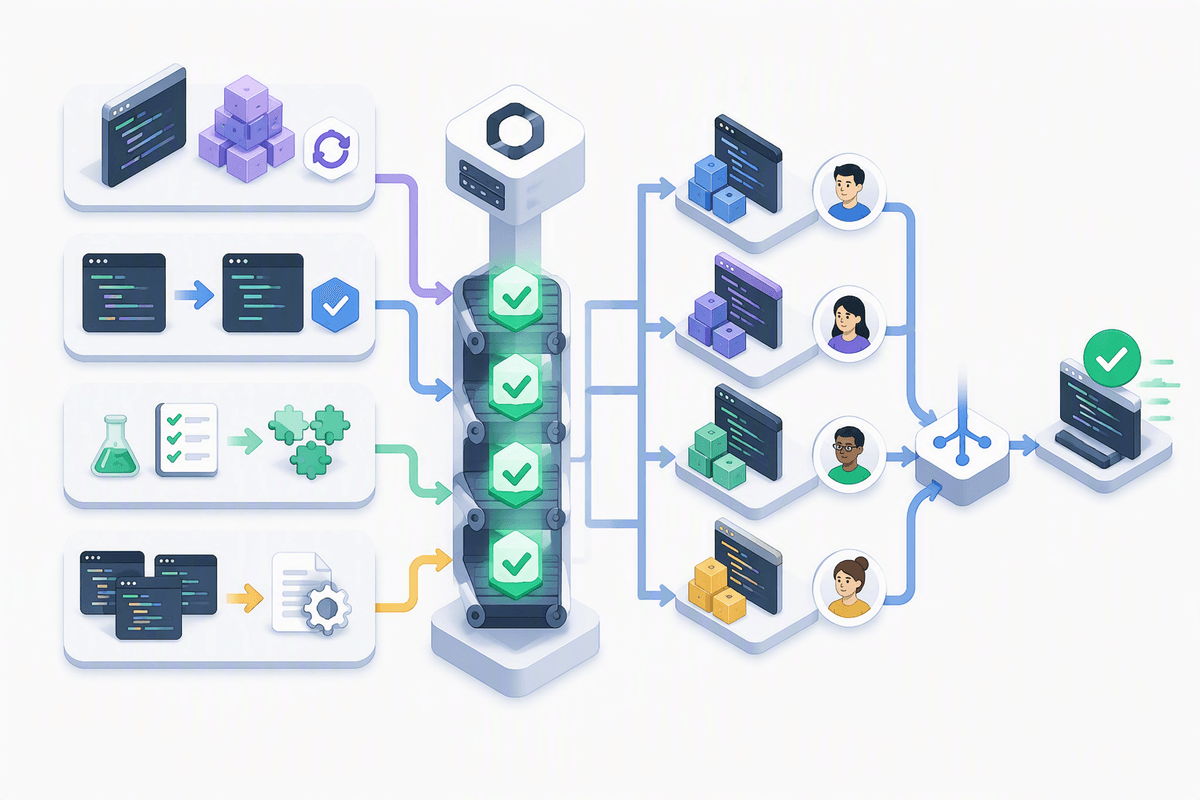
You’ll see the biggest wins where work is abundant, bounded, and checkable: keeping dependencies current, chasing type errors after refactors, updating tests and fixtures, and migrating repetitive patterns across a codebase. Teams with strong CI, good observability, and clear module ownership benefit disproportionately, because the assistant’s speed converts directly into merged diffs instead of prolonged investigation. Smaller product teams also gain leverage when one engineer can draft a full change set without pulling three people into “just fix the build.”
The squeeze shows up in roles built around throughput rather than judgment: pure ticket grinders, “human glue” work that isn’t encoded in tests, and early-career learning that used to come from doing the boring parts slowly. Skills move upmarket toward problem framing, interface and data modeling, risk review (security, privacy, dependency hygiene), and building enforcement—linters, contract tests, staging checks—so you can trust fast edits. These skills take time to cultivate, and review capacity becomes a hard limit.
A practical way to respond: adopt it without surrendering standards
A common pattern that works is to treat the assistant like a patch generator, not an author. Give it narrow goals, explicit constraints (APIs not to change, performance budgets, threat model assumptions), and require it to produce tests or measurable checks alongside code. Keep the merge bar the same: diffs get reviewed, CI must pass, and anything touching auth, billing, or data access gets an extra set of eyes.
You can generate ten plausible solutions in the time it takes to review one responsibly. Counter that by limiting scope per run, enforcing small PRs, and investing in fast, trusted signals—linting, contract tests, dependency scanning, and staging verification—so “looks right” doesn’t become the new definition of done.