Why “AI coworker” language feels helpful—and misleads
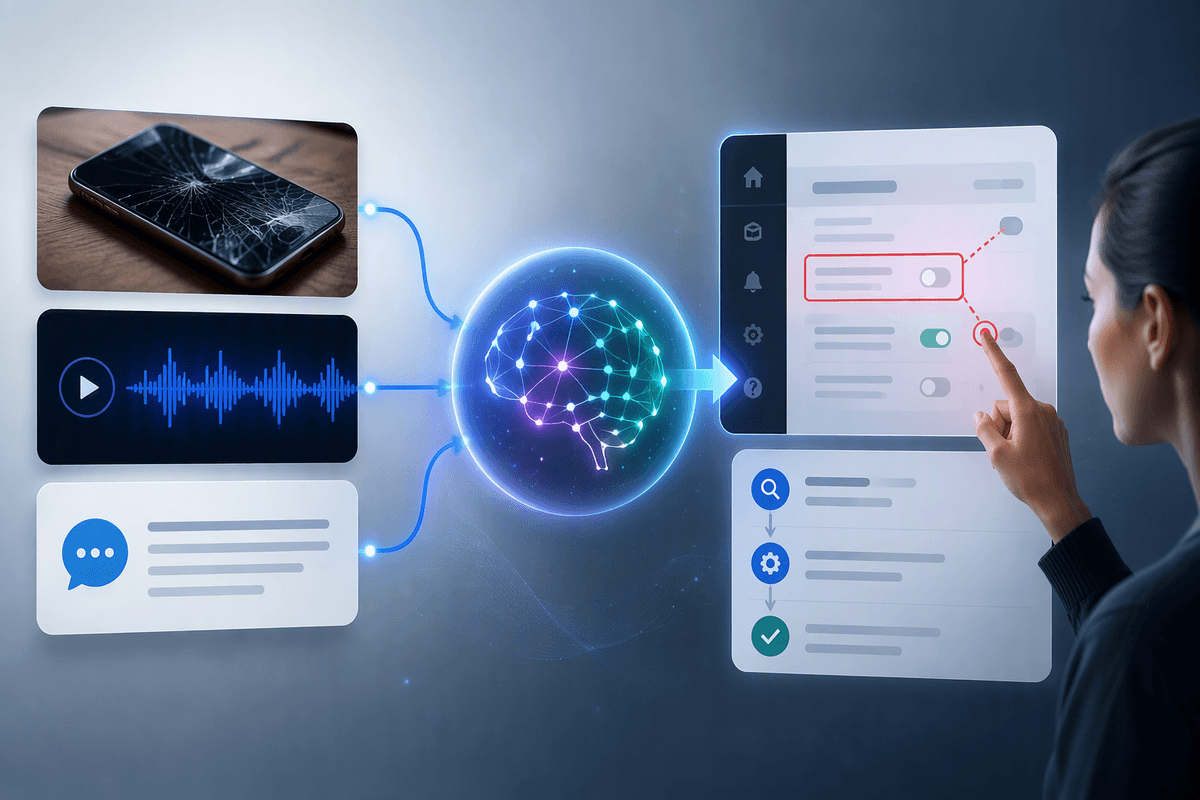
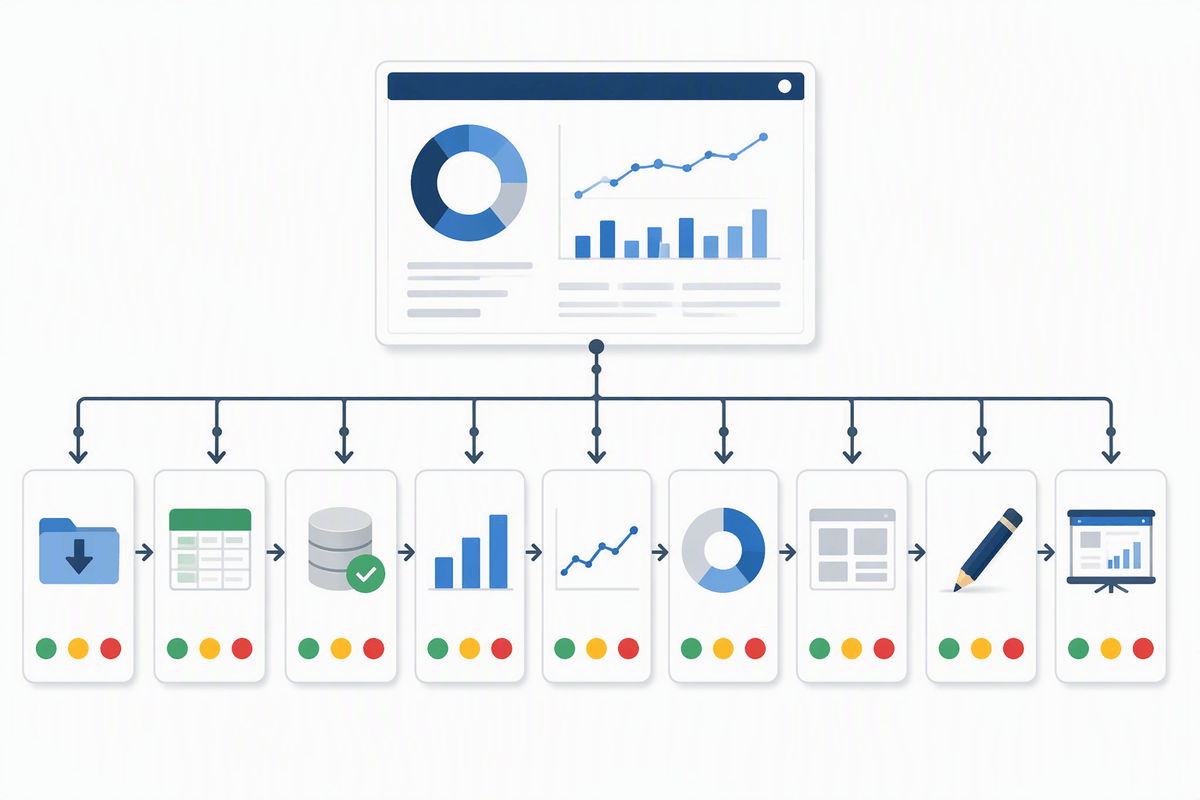
It’s tempting to call an agent an “AI coworker” because it fits how work actually feels: you hand off a task, you get something back, and you move on. That framing lowers the learning curve for busy teams, especially when a tool can draft replies, file tickets, or reconcile numbers in minutes.
The problem is that the metaphor smuggles in human assumptions. Coworkers understand context, notice when something is off, and know when to stop and ask. Agents don’t “know” why a policy exists or what matters to your customer this week. They follow instructions, patterns, and tool access, and they can produce confident output even when key inputs are missing.
Once a system is treated like a teammate, people start delegating judgment, not just labor. Reviews get lighter, edge cases go unreported, and responsibility becomes vague (“the agent did it”). The cost shows up later as rework, customer impact, or compliance cleanup—often in the exact moments when a real coworker would have slowed down.
What an AI agent actually is in a work system
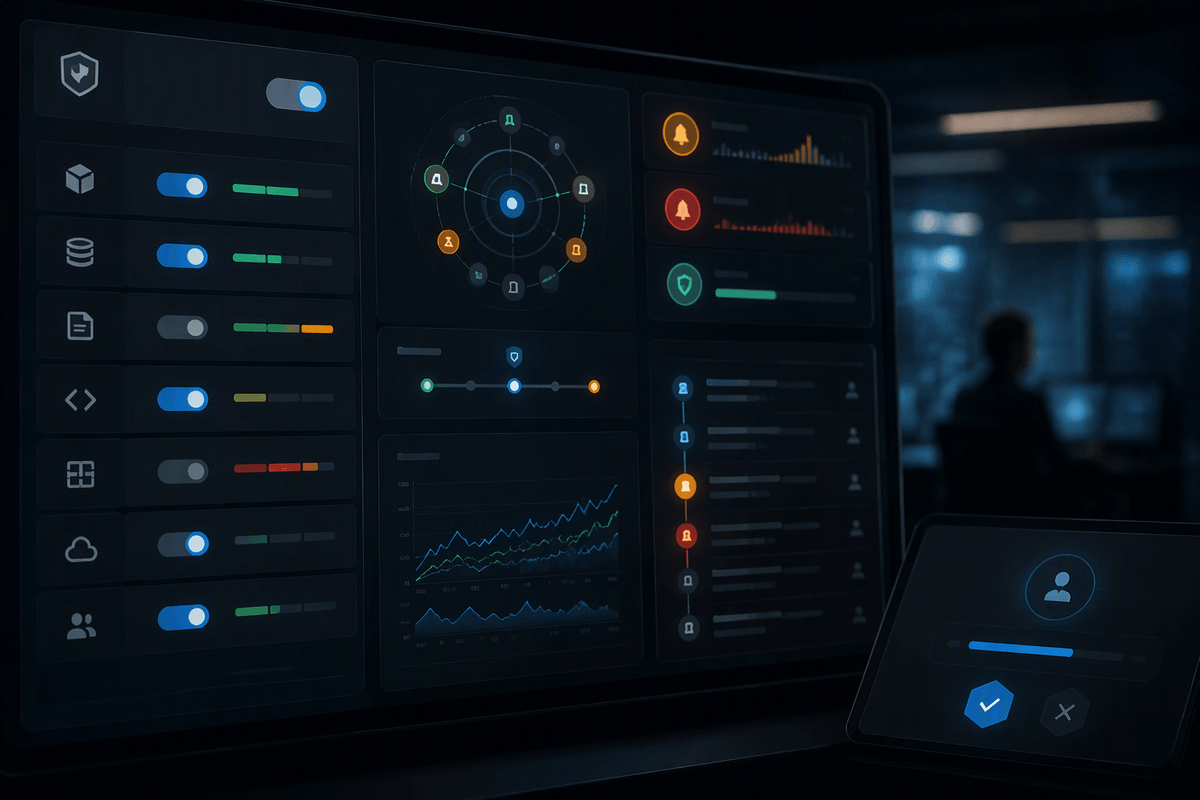
Picture a shared inbox where messages arrive, a draft gets generated, a ticket is opened, and a follow-up is scheduled. An AI agent in that setting isn’t a person you “hand work to.” It’s a workflow component: a model that produces text or decisions, wrapped in rules, prompts, and tool connections that let it read from systems (CRM, docs, logs) and write back into them (send email, update fields, trigger automations).
That wrapper is where most of the real behavior lives. What data can it see? What actions is it allowed to take? What counts as “done,” and what triggers escalation? If those are vague, the agent will still produce output—just not reliably aligned with your intent.
The agents are only as safe as their permissions and monitoring. More autonomy usually means more integration work, more logging, and more time spent designing checks that humans do automatically.
The hidden risks of treating agents like people
A familiar failure mode is giving an agent a “role” and then trusting it to act like someone in that role. If you call it a support rep, you start expecting it to follow policy intent, catch sarcasm, and recognize when a customer is threatening to churn. What it actually has is text patterns, partial context, and whatever your integrations expose. When the inputs are messy or conflicting, it won’t pause out of caution. It will often choose a plausible path and explain it cleanly.
Anthropomorphizing also changes how teams supervise. People stop thinking in terms of permissions, audit trails, and reversible actions, because those feel like “process overhead” you wouldn’t put on a trusted teammate. That’s when small mistakes become systemic: one bad template propagates across hundreds of emails, one wrong field update corrupts reporting, one misread policy triggers an approval that’s hard to unwind. The practical cost is real: more QA time, more incident work, and longer cycles to rebuild trust with customers and compliance.
Accountability doesn’t transfer: who owns the agent’s actions?
A common moment of confusion shows up when an agent does something “on your behalf” and it goes wrong: a customer gets a refund they weren’t eligible for, a prospect is emailed the wrong pricing, or an internal dashboard is updated with a bad number that quietly spreads. The language people reach for is revealing—“the agent approved it” or “the agent sent it”—but the system can’t actually hold responsibility. It doesn’t have authority, intent, or professional duty; it has permissions you configured and actions your environment allows.
In practice, accountability sits with the humans and the organization that put the agent into the loop: the manager who accepted the workflow, the team that defined “done,” the owner of the data it touched, and the person who had the last meaningful chance to review. That can feel unfair because the error originated in model output, but it’s also the only workable standard.
If no one can clearly answer “who signs off when this is wrong,” the autonomy level is too high for the task, or the review step is missing.
Good agent work starts with boundaries, not personalities
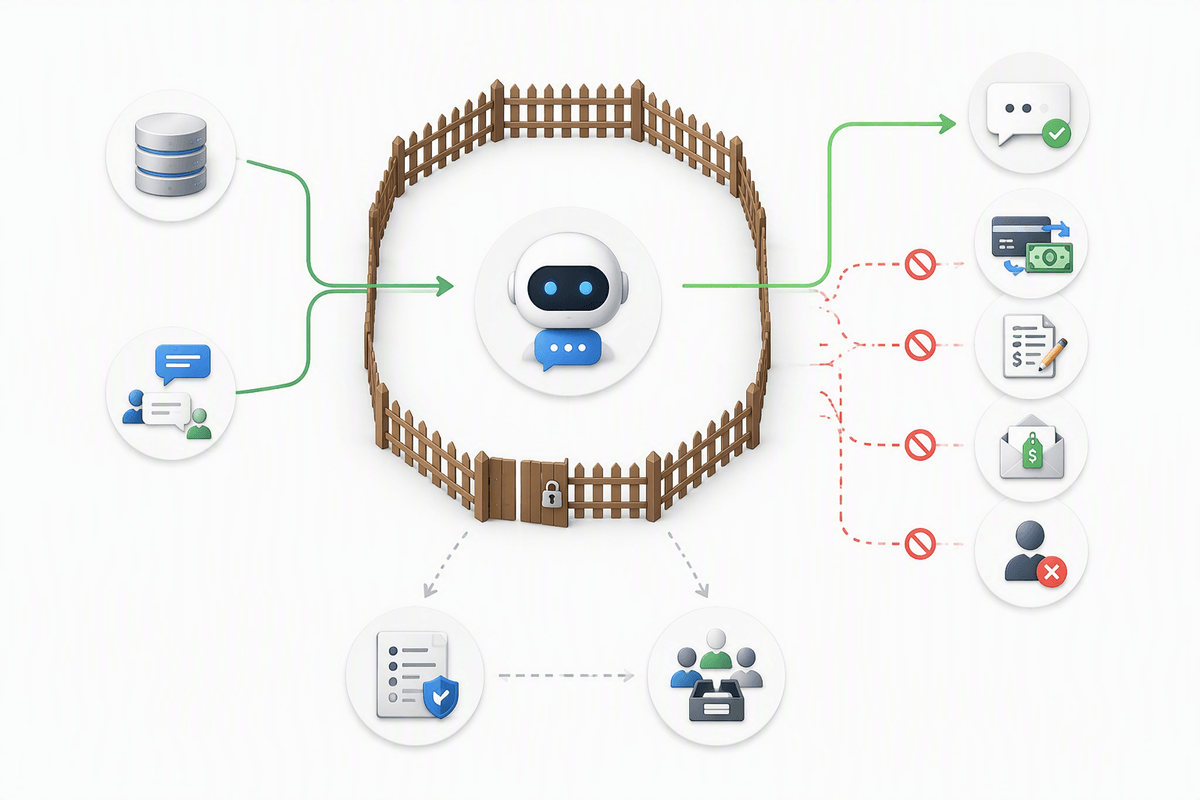
Teams get better outcomes when they stop “hiring” an agent with a personality and start defining a bounded job: what inputs it may use, what outputs it may produce, and what actions it is never allowed to take. A good boundary is observable. “Draft a reply using the knowledge base and the last three customer messages” is workable; “be helpful and handle the customer” invites silent guesswork.
Boundaries also need a stop condition. Decide what uncertainty looks like—missing order IDs, policy conflicts, angry language, unusually large dollar amounts—and route those cases to a human. Build the workflow so the agent can propose, but not commit, for anything hard to reverse: issuing refunds, changing entitlements, emailing pricing, updating finance fields, or closing accounts.
The tighter boundaries can feel slower at first, because you’re adding triage rules, logging, and review queues. That overhead is usually cheaper than discovering later that “autonomous” meant “unreviewed.”
Choosing the right level of autonomy for each task
A useful way to pick autonomy is to start with the “blast radius” of a mistake. Drafting a support reply that a human must approve is low-risk and easy to correct. Updating a customer’s plan, changing pricing fields, or triggering a refund is high-risk because the action is hard to unwind and the downstream effects spread across billing, reporting, and trust.
Then look at input quality. Tasks that rely on clean, structured data (known IDs, validated fields, stable templates) can tolerate more automation than tasks that depend on nuance, judgment, or incomplete context (policy intent, churn risk, legal language). If your team regularly argues about how to handle edge cases, the agent should not be “deciding,” even if it can generate a plausible answer.
Default to a ladder: suggest → draft → execute with approval → execute with monitoring. Moving up that ladder costs integration time, audit logging, and on-call attention when something drifts, so earn autonomy with measured accuracy, not enthusiasm.
Work with agents like systems: simple rules that scale
You’ll get more predictable results by treating the agent like any other production system: define inputs, outputs, and failure modes, then enforce them. Practical rules that scale are simple: least-privilege access; write logs for every read/write action; require human approval for irreversible steps; keep changes reversible (drafts, staged updates, dry runs); and set clear escalation triggers (missing IDs, policy conflicts, high-dollar amounts, unusual sentiment).
Run it with the same discipline as a flaky integration: small rollouts, sampled QA, and a rollback plan. The constraint is real—instrumentation, review queues, and alerting take time—but they’re cheaper than “autonomous” mistakes that spread across customers and reporting.