Why “understanding the world” is suddenly the key question
You’ve likely seen the mismatch: an AI can draft a credible memo, debug a snippet, or summarize a report in seconds, then confidently invent a citation, miss an obvious constraint, or give advice that collapses in the real world. That gap matters because these systems are moving from “help me write” into “help me decide,” where errors cost time, money, and sometimes safety.
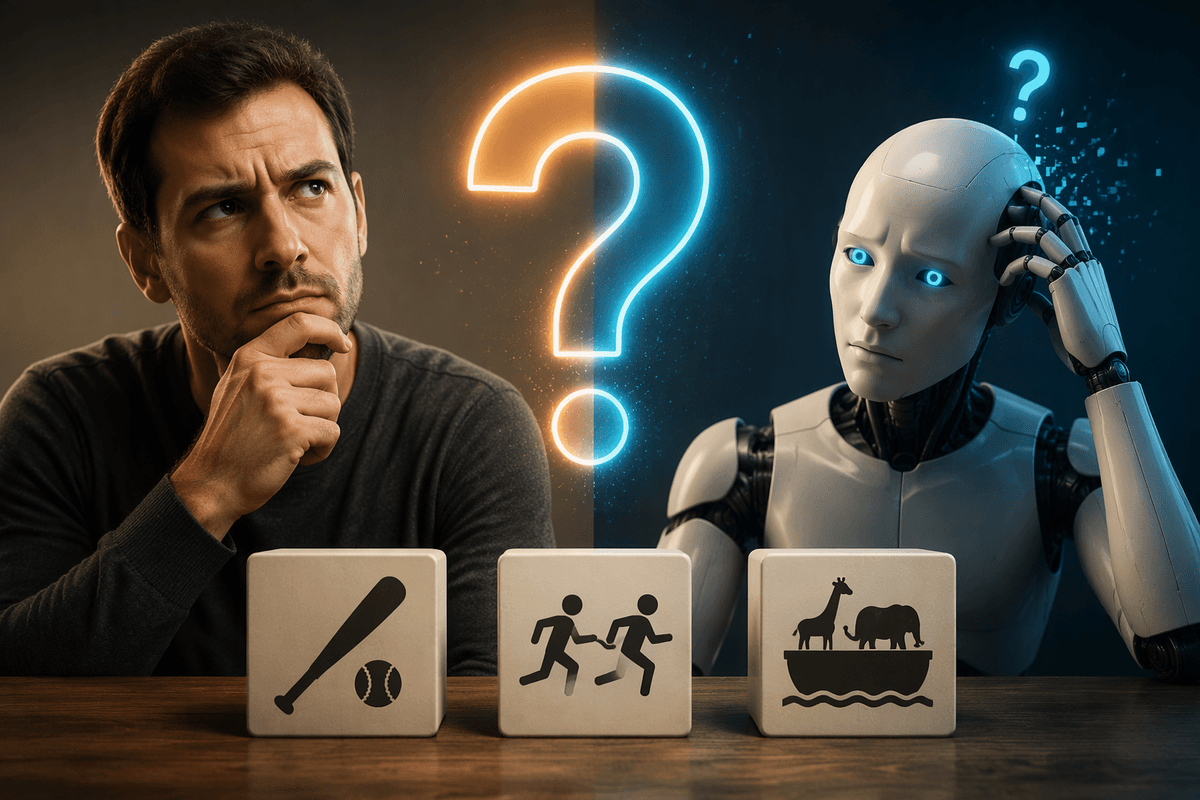
So “does it understand the world?” stops being a philosophical side quest and becomes a practical filter for trust. If a model has something like a working picture of how situations unfold—what causes what, what stays true when details change—it should generalize reliably and admit uncertainty when it doesn’t. If it’s mostly matching patterns, it may look sharp right up until the moment the context shifts.
What people mean by “understanding” (and what they don’t)
In everyday use, “understanding” usually means you can take an idea and do something dependable with it. You can explain it in your own words, apply it to a new case, notice when a claim contradicts the situation, and ask the right clarifying question before acting. When people say an AI “understands,” they often mean it behaves like that: it stays coherent across paraphrases, keeps track of goals and constraints, and doesn’t break when the surface details change.
What they usually don’t mean is that it has human-like awareness, feelings, or a lived inner point of view. They also don’t mean it has checked facts against the world; a fluent answer can be produced without any contact with reality. The language skill and world skill overlap: if you’ve read enough text, you can imitate explanations and still lack the ability to reliably predict what would happen, why it would happen, and what would make it stop.
How today’s AI looks like it understands—until it doesn’t
Watch how a modern model handles a familiar task: it asks for requirements, proposes a plan, and even catches inconsistencies in your wording. In a meeting recap, it can infer who owns what and produce sensible next steps. In that mode it “feels” like understanding because the behavior matches the social cues we associate with competence: explanations that hang together, the right vocabulary, and a smooth ability to generalize across similar situations.
The trouble shows up when the problem stops being a well-worn text pattern and starts requiring a stable picture of the situation. Ask it to follow a policy with a hidden constraint, reason about a physical process, or reconcile two sources with subtle conflicts, and you may get confident answers that ignore the crucial detail. Guardrails and retrieval help, but they add cost and complexity, and they don’t reliably prevent a model from sounding certain when it’s actually guessing.
World models, causality, and the missing “because” layer
Consider a simple workplace situation: a project slips, the team adds headcount, and the deadline still doesn’t move. Most people don’t just note the correlation; they reach for a “because” story—onboarding time, coordination overhead, a bottleneck in approvals. That kind of explanation is a rough world model: a compact picture of what variables matter, how they interact, and what would change the outcome if you intervened.
Today’s language models often produce plausible “because” sentences, but plausibility isn’t the same as causal grip. A causal model should let you answer counterfactuals (“If we removed the approval step, would it ship sooner?”), distinguish causes from signals (sales rose after a redesign, but was it seasonality?), and stay stable when you move from one domain to another. Without that layer, a system can sound explanatory while secretly relying on surface associations that break under intervention.
Building and using world models is also expensive in practice: you need structured feedback from actions and outcomes, careful evaluation, and often domain data you’re not allowed to log or experiment on. That’s why “understanding” keeps collapsing into fluent narration—cheap to generate, costly to verify.
Does AI need a body, sensors, or real experience?
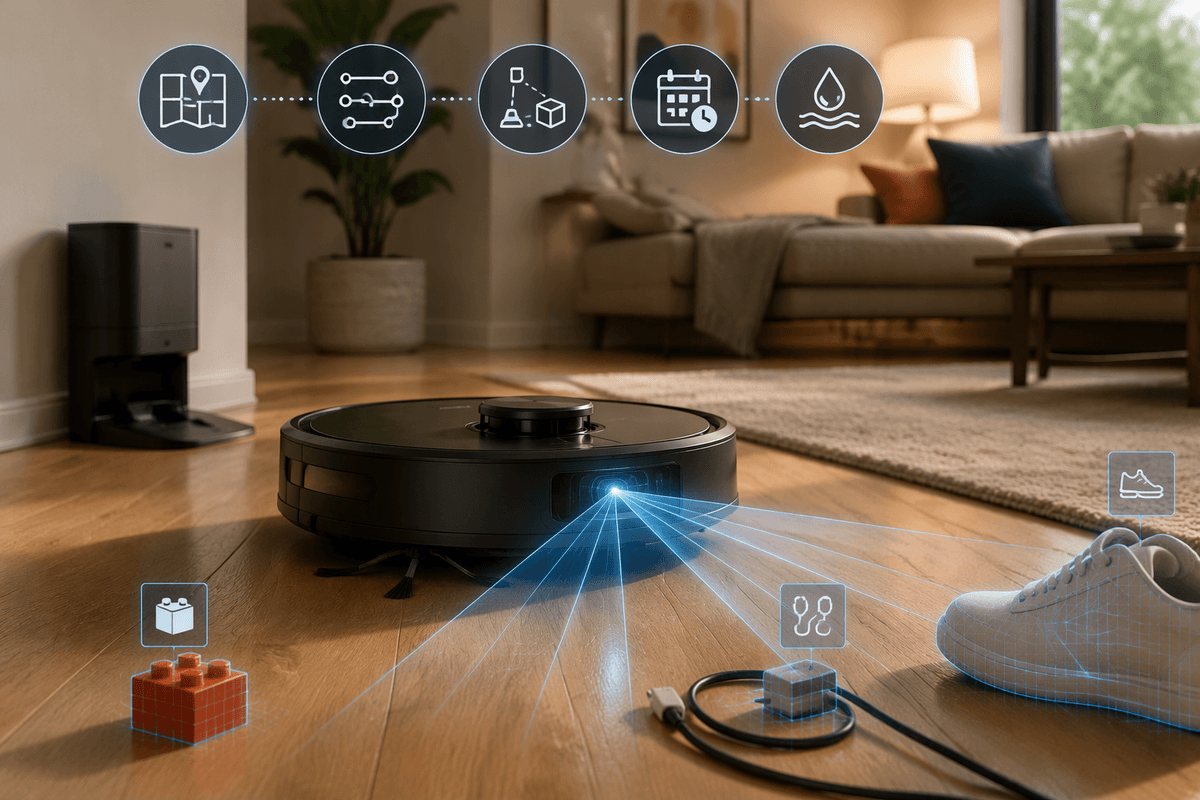
Think about how you learned “the stove is hot.” You could read it, but the lesson sticks because there’s a reliable link between action, sensation, and consequence. That’s the embodied argument: without sensors and the ability to affect the environment, an AI may miss the grounding that turns words into stable concepts. This shows up in small ways—confusing left/right in a described scene, mishandling quantities, or giving plans that ignore friction, delays, and physical limits.
The counterargument is that a body isn’t required for many kinds of world knowledge. Text contains an enormous amount of human experience, and simulations, videos, and tool-using agents can provide feedback loops that look like “experience” without a robot. The practical constraint is cost and coverage: real-world interaction is slow, risky, and hard to scale, while simulations can be gamed and rarely match messy reality. So the question becomes less “body or no body” and more “what feedback forces the model to pay for being wrong?”
What would actually convince us: tests that can’t be gamed
Picture a model that aces a benchmark, then falls apart when you change the wording, swap a variable name, or move the same logic into a different setting. A convincing test has to punish that kind of shortcut. It should require the system to carry constraints across steps, update beliefs when new evidence arrives, and answer counterfactuals in a way that stays consistent with its own stated assumptions. If it can’t say what would change its answer, it’s not really tracking a causal story; it’s picking the most likely-sounding continuation.
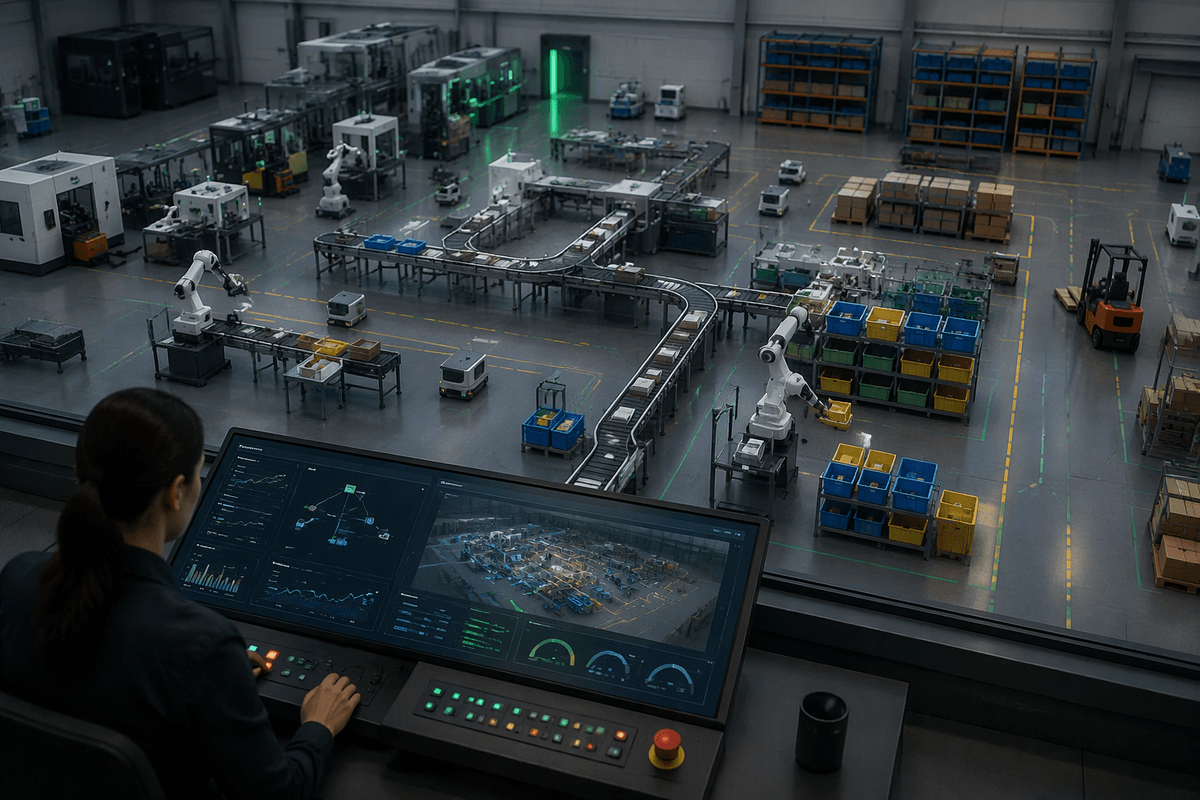
The hardest-to-game evaluations look less like trivia and more like “closed-loop” work: give the model a sandbox (a simulated business process, a simple physics world, a software repo) where actions have consequences, then score it on outcomes over time, not eloquence. You need realistic environments, careful scoring, and protections against models learning the test itself. But without that friction, “understanding” remains a performance you can’t reliably audit.
So can AI learn the world—and what changes if it does?
In practice, “can it learn the world?” reduces to whether it can build compact, reusable models that survive distribution shifts and support intervention: not just predicting what people say next, but what will happen if you change a constraint, take an action, or withhold a resource. Some of that seems achievable with richer feedback loops—tools, simulations, controlled deployments—though it will be slow, expensive, and constrained by what we can safely test and measure.
If systems do cross that threshold, the headline change isn’t prettier prose. It’s reliability: fewer brittle failures, better calibrated uncertainty, and more credible automation of decisions in operations, policy, and safety-critical settings. The uncomfortable flip side is that audits and accountability have to mature too, because “it understood” becomes a claim with real consequences.