The moment students can generate an essay in seconds
A student opens a laptop, types “write a five-paragraph essay on symbolism in The Giver,” and watches a complete draft appear before you’ve finished taking attendance. It has a clear thesis, topic sentences, and quotes that look plausible. For many teachers, the first sign is not a confession—it’s the mismatch: a student who struggles to explain the argument aloud turns in polished prose with vocabulary they don’t use in discussion.
What used to take hours of planning, false starts, and revision can now be produced in under a minute, on a phone, at home, or even in the hallway. That changes the meaning of “homework” overnight and makes it hard to rely on writing as a simple proxy for reading, thinking, or effort.
What’s actually at risk: learning, fairness, and trust
When a tool can do the “product” part of the work, the biggest risk isn’t a single dishonest paper—it’s quiet skill loss. If students outsource outlining, sentence control, evidence selection, and revision, they miss the practice that builds reading stamina and clear thinking. The grade may look fine while the student’s ability to explain, argue, or write under time pressure keeps slipping. That shows up later in timed writing, labs, presentations, and even simple classroom discussion.
Fairness gets messy fast. Some students have better devices, faster Wi‑Fi, and more experience prompting tools, while others are limited by access or by family rules about technology. Two students can submit equally polished work with very different levels of understanding. Trust takes the hit on all sides: teachers second-guess what they’re seeing, students feel suspected, and parents question the value of grades. Add privacy concerns—students pasting personal info into third-party sites—and the “just don’t use it” stance becomes hard to enforce without constant policing and real time costs.
Why detection tools don’t settle the problem
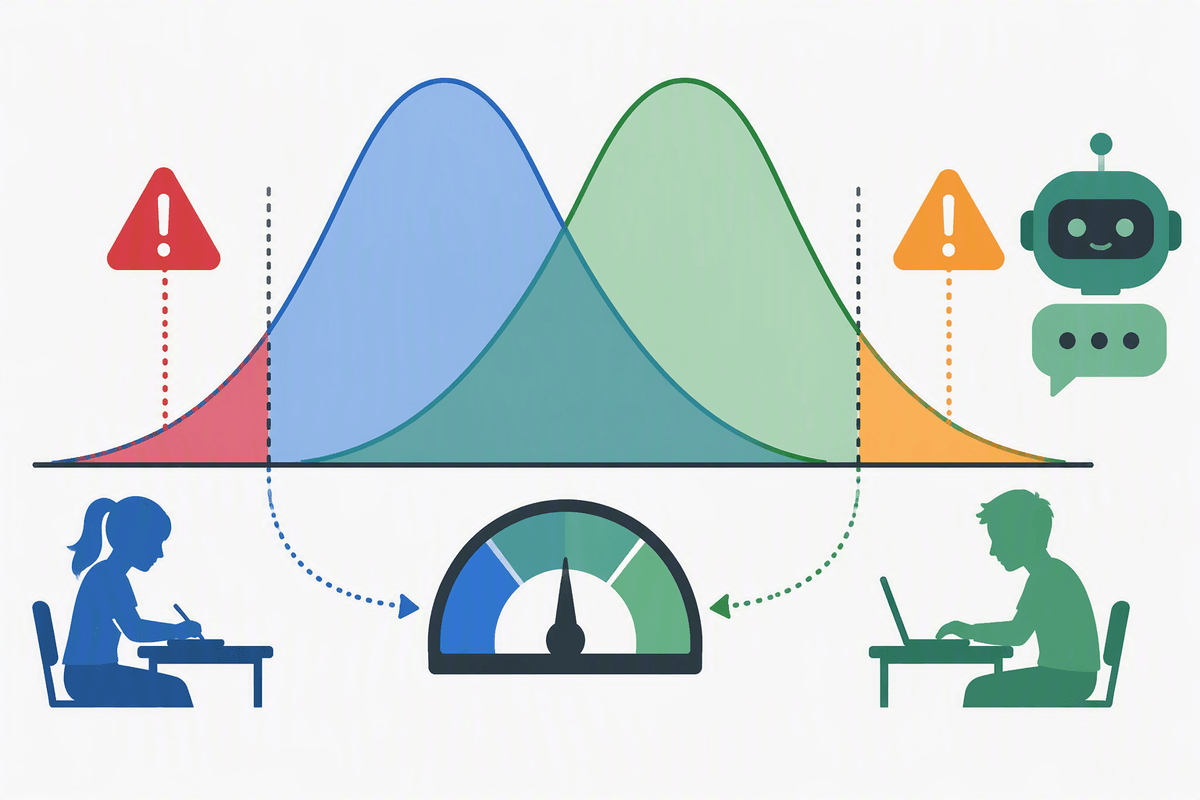
In many schools the first impulse is, “We’ll just run it through a detector.” That sounds efficient until you use one with real student writing. False positives are common enough to be disruptive: multilingual writers, students who draft in grammarly-style tools, and strong writers who revise heavily can all get flagged. False negatives are just as common. A student can prompt, paraphrase, and lightly edit until the output looks “human,” or generate text in smaller chunks to avoid obvious patterns. The result is a tool that rarely gives you the certainty you need for a high-stakes conversation.
Even when a report is accurate, it usually can’t answer the question that matters instructionally: what does the student actually know and can do? Detection also shifts classroom time toward policing—collecting drafts, arguing over percentages, documenting suspicions—rather than feedback and skill-building. And if families push back (reasonably) on an algorithm deciding honesty, administrators often end up with uneven enforcement that undermines trust further.
Rethinking assignments so AI can’t replace the thinking
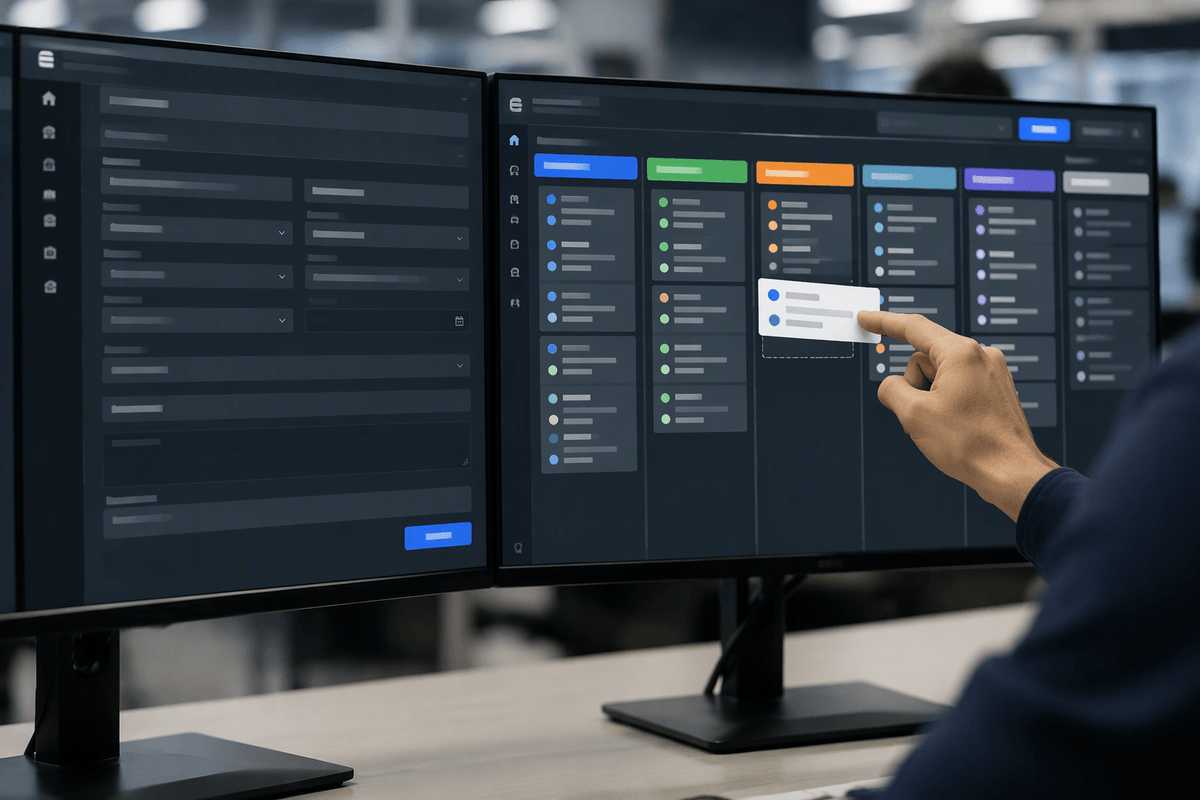
A familiar pattern is emerging: assignments that ask for a generic summary, a standard five-paragraph structure, or “three reasons” are now the easiest for AI to produce. The fix isn’t making prompts trickier; it’s shifting tasks so the thinking is visible. Ask students to make choices that depend on your class texts and discussions: defend a claim using page-numbered evidence from today’s reading, explain why they rejected two pieces of evidence, or compare their interpretation to a classmate’s and revise their claim. Build in checkpoints—annotated passages, a quick oral conference, a one-paragraph in-class “seed draft,” or a photo of planning notes—so you see the work as it develops.
Conferencing, collecting process artifacts, and giving feedback can feel heavier than grading a final draft. A practical compromise is to grade fewer, higher-leverage pieces more deeply and use short, low-stakes writing (done in class) to keep practice and accountability steady.
Teaching students how to use AI without cheating
Most students will use AI anyway, so the line you draw has to be teachable, not just punishable. A workable classroom norm is “AI can support, but it can’t substitute.” Let students use it to brainstorm possible angles, generate a study guide from their notes, or get sentence-level feedback on clarity—then require them to show what they decided and why. A simple routine is to have students paste the prompt they used, highlight what they kept, and add margin notes explaining where evidence came from and what they changed after rereading the text.
Teach “cite or delete” as a default: if an AI tool gives a quote, statistic, or claim, the student must verify it in an approved source or remove it. Build in quick authenticity checks that feel instructional: a 2-minute conference (“Talk me through your best paragraph”), a short in-class rewrite from their own draft, or a reflection that names one misconception AI introduced. This takes class time and access planning, but it turns AI from a shortcut into a skill-building tool.
Policies, equity, and the messy reality of enforcement
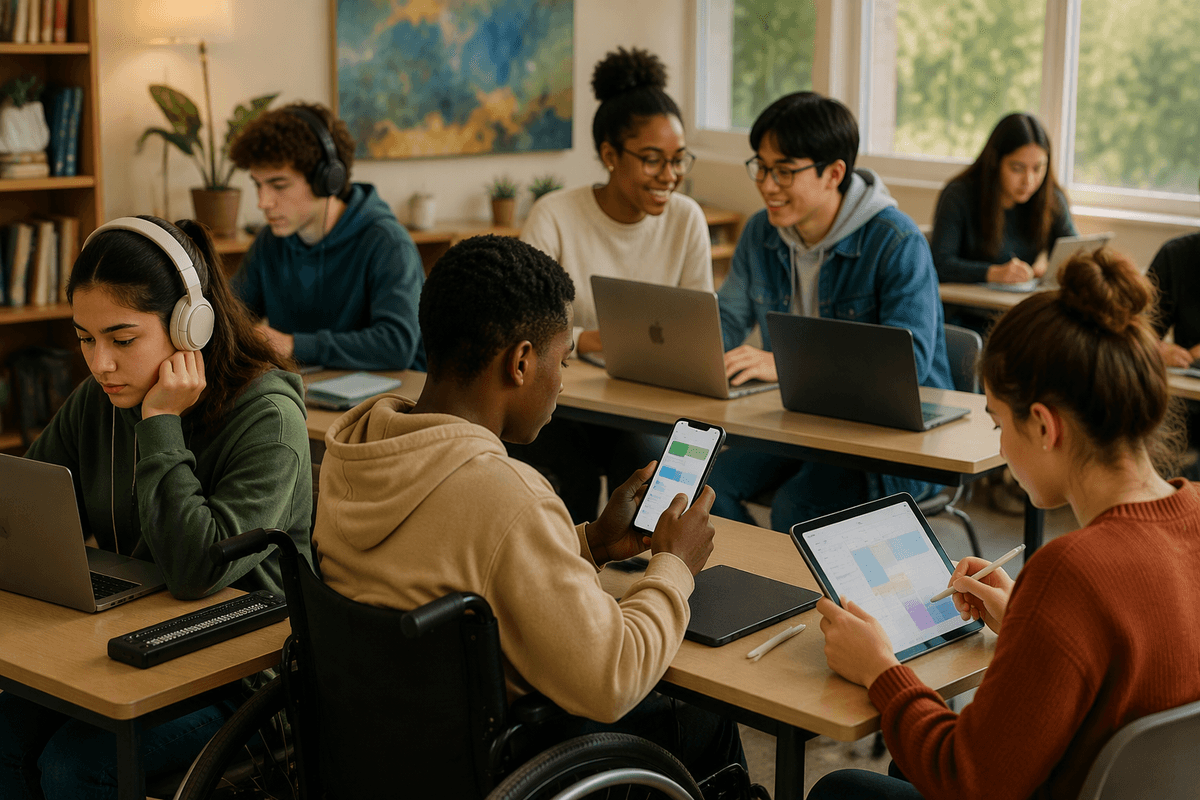
In the real world, enforcement breaks down where expectations are vague and consequences are high. If your policy is “no AI,” but students see adults using it for emails and lesson ideas, the message lands as “it’s fine—just don’t get caught.” A more workable approach is to define categories: AI as a tutor (allowed), AI as an editor (allowed with disclosure), AI as the author (not allowed for this task). Put that in student-friendly language and match it to what you can actually verify—draft checkpoints, in-class writing samples, short conferences—rather than trying to prove intent after the fact.
Equity cuts both ways. Banning AI can punish students who rely on translation, text-to-speech, or organization supports, while open-ended AI use can advantage students with better devices and more time to experiment. Schools also have to face privacy and procurement limits: “Just use ChatGPT” isn’t a plan if accounts, age rules, or data-sharing aren’t settled. The practical reality is imperfect enforcement, so aim for consistent routines, teachable norms, and responses that protect learning first and discipline second.
A practical way forward: align norms, design, and support
In a typical week, the easiest path is to handle AI the same way you handle calculators or collaboration: be explicit about when it’s allowed, what counts as original work, and what proof of thinking you’ll accept. Pair that with assignment design that makes process visible—short in-class “anchor” writes, checkpoints, and quick conferences—so you’re not relying on detectors or gut feelings. Then support it at the school level with a simple, shared language (tutor/editor/author), a common disclosure note, and a predictable response when work doesn’t match a student’s demonstrated skill.
The teachers can’t run a full investigation for every suspicious paragraph. A workable operating principle is “reduce the stakes, increase the samples.” Use more frequent, low-stakes, in-class evidence of skill to calibrate what students can do, and reserve high-stakes grades for work that includes documented process. When norms, task design, and supports line up, you spend less energy policing and more energy teaching—and students understand the line well enough to stay on the right side of it.