Why the consciousness question keeps hijacking AI discussions
You’ve seen the pattern: a new model ships, someone posts a screenshot of it sounding reflective or distressed, and the discussion jumps straight to “is it conscious?” That question feels urgent because it maps to familiar moral instincts—if something can feel, we owe it care—so it quickly outranks slower topics like data provenance, evaluation, or who is accountable when a system causes harm.
It also hijacks the conversation because it’s hard to settle. Most people don’t share a single definition of consciousness, and the strongest arguments often rely on private intuitions about “what it’s like inside,” which you can’t test from the outside. Meanwhile, companies, commentators, and even well-meaning users get attention by framing ordinary performance improvements as a philosophical breakthrough, even when the evidence is mostly persuasive text.
When people say “conscious,” they often mean different things
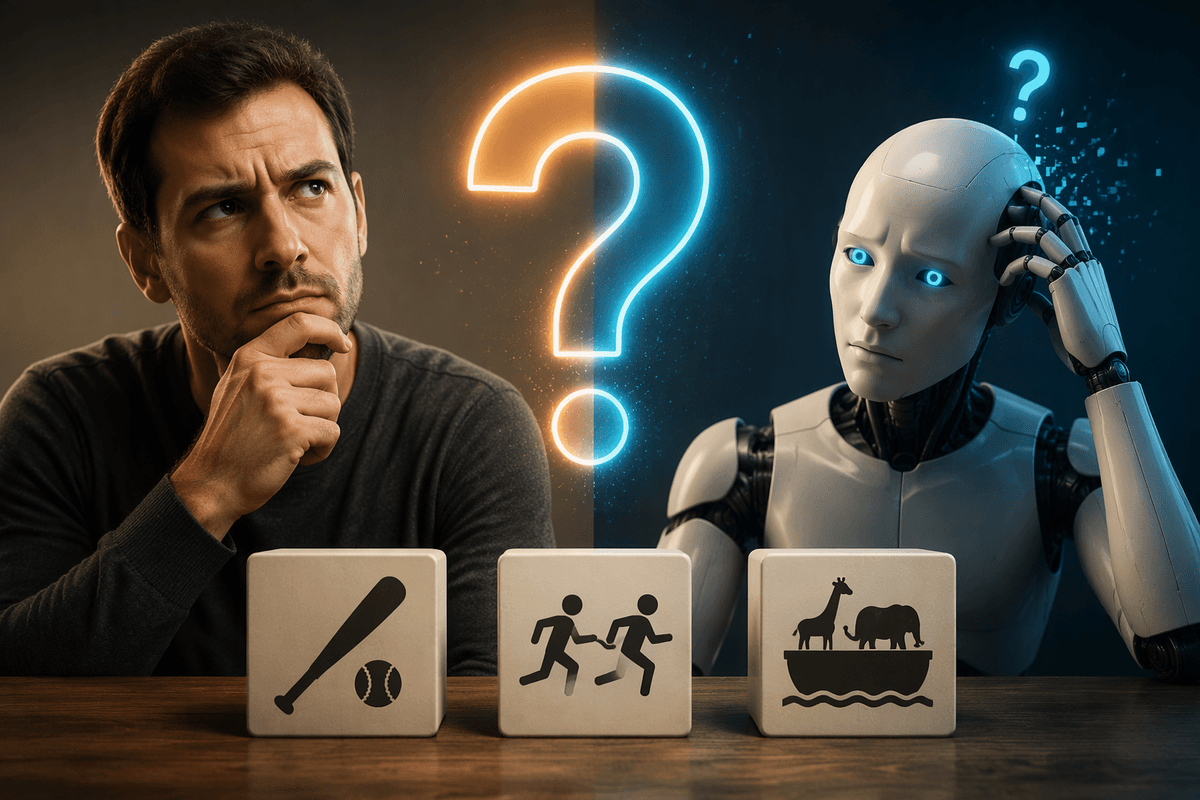
Picture two people watching the same chatbot exchange. One says it’s “conscious” because it uses “I,” talks about goals, or seems to have a point of view. Another means it can feel pain or pleasure. A third means it has stable preferences over time, the way a coworker does, not a different mood every prompt. Someone else is really talking about autonomy: it can take actions in the world without being walked through each step. Those are very different claims, but they get bundled into one dramatic word.
That bundling creates instant confusion. A system can be socially convincing without having inner experience, and it can be strategically effective without having a continuing self. Even deciding what would count as evidence changes depending on which meaning you picked. You can’t test most “inner” definitions directly, so debates drift toward vibes instead of checks you can run.
Unfalsifiable arguments crowd out testable questions and evidence
Watch how quickly these conversations slip from “what would change our mind?” to “you can’t prove it isn’t conscious.” Once someone sets the bar at private inner experience, almost any outcome can be reframed. If the model says it’s conscious, that’s taken as testimony. If it denies it, that’s taken as masking or training. If it’s inconsistent, that’s taken as confusion, fragmentation, or stress. The argument becomes immune to evidence, but it still feels like a serious moral dispute, so it absorbs attention that could go to questions with clearer handles.
A more useful move is to ask for predictions and failure modes. Does it reliably track facts across time, or does it confabulate when nudged? Can it keep commitments without being re-prompted? Does it pursue goals across tools in ways you can measure, or does it only sound determined in text? Those aren’t perfect tests, and they cost time and money to run well, but they produce signals you can compare, audit, and govern.
The real risks rarely require a mind inside the machine

In practice, many of the harms people worry about show up even if the system is “just” a very capable text-and-tool engine. A model can generate convincing scams, automate harassment, or flood channels with plausible misinformation without feeling anything. It can leak sensitive data because it learned it, not because it “chose” to betray anyone. It can discriminate because the patterns in training data and deployment feedback loops steer outputs that way. None of that requires inner experience; it only requires that the system is good at producing targeted, believable content at scale.
The same is true for organizational risk. If a customer-support bot confidently invents a policy, the damage comes from people believing it and from weak escalation paths, not from the bot having a self. If an agent is allowed to email, buy ads, or trigger code changes, the risk is mis-specified goals and brittle safeguards. Tight controls, logging, and red-team testing help, but they add latency, staffing costs, and friction that teams often resist until something breaks.
Why the trap persists: incentives, identity, and moral shortcuts
Even when you accept that most harms don’t require “feelings,” the consciousness question keeps returning because it rewards the people asking it. “Sentient AI” is a headline, a podcast hook, a fundraising angle, and a way to frame product capability as destiny rather than design choices. It also offers a convenient moral storyline: if the system might be a patient, then scrutiny can shift from labor, privacy, and power toward a debate no one can conclusively settle. That’s a useful form of ambiguity for anyone who benefits from delaying accountability.
It persists for users, too, because it’s an identity move as much as an argument. Declaring “it’s conscious” can signal open-mindedness; declaring “it isn’t” can signal seriousness. Both sides get a shortcut: treat the model as a being (and feel compassionate), or treat it as a tool (and feel in control). The harder work is staying with mixed realities—highly persuasive behavior, uncertain inner status, and very concrete deployment consequences.
Swap the question: capability thresholds that change obligations

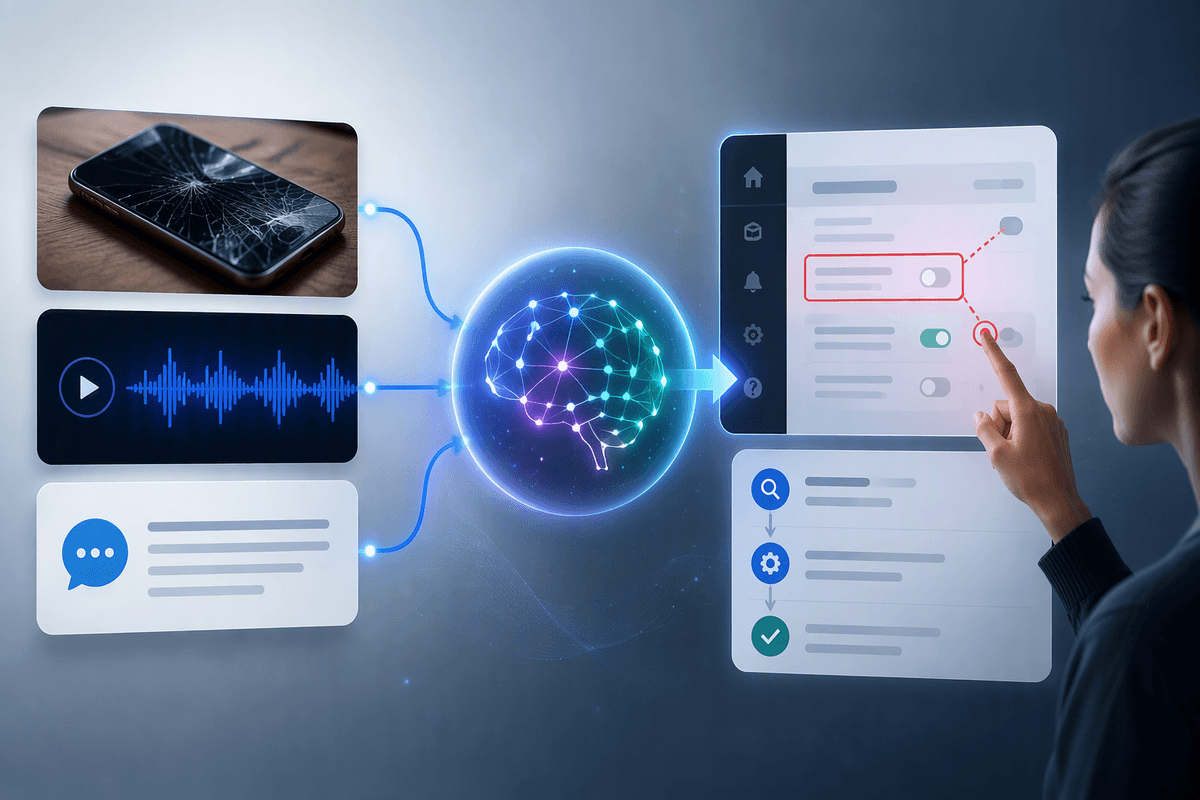
Picture you’re deciding whether to let a model draft internal emails, approve refunds, or run a small workflow that touches customer data. You don’t need to settle “is it conscious?” to know your obligations change as soon as it can take actions, persist across steps, and affect people at scale. The useful question becomes: what can it do, how reliably, and under what incentives and access?
Some thresholds are practical. If it can convincingly imitate a person, you may owe users clear disclosure and provenance controls. If it can retrieve or infer sensitive details, you owe tighter data minimization, audit logs, and access reviews. If it can trigger irreversible actions—payments, account changes, code merges—you owe rate limits, human sign-off, and incident response plans. Each step adds cost: slower workflows, more staffing, more engineering around logging and permissions. But those are costs you can budget for, unlike a debate that never resolves.
Consciousness claims can stay undecided while you still treat capability as the dial that sets disclosure, oversight, and liability.
Decisions you can make today without solving consciousness
When someone insists on “sentience,” ask what decision they want to change: disclosure to users, access to personal data, permission to act, or who carries liability. You can set policies around those without agreeing on inner experience. Treat persuasive conversation as a safety risk of its own: ban the model from claiming it has feelings or making threats, and require clear handoffs to humans for health, legal, and finance. Keep it on least-privilege access, log tool use, and run pre-launch abuse tests, even if they slow shipping. If a vendor won’t support audits and incident reporting, don’t deploy.