Why the AI debate feels louder than other tech shifts
You can feel the volume difference even in everyday conversations: someone mentions a new AI feature in email or search, and the room splits between “finally, less busywork” and “this is going to replace people.” Part of the loudness comes from how quickly AI moved from labs into tools people use at work and school, often without much training or time to adjust. It also lands in places that feel personal—writing, thinking, judging—so it doesn’t register like a faster phone or a new app.
The debate is louder because the impacts are uneven and hard to measure in the moment. One team might see a real productivity boost, while another sees new review burdens, privacy worries, or mistakes that create risk. Add in a steady stream of demos, headlines, and venture-backed promises, and the conversation stays permanently “urgent,” even when most changes are incremental and messy to implement.
People are reacting to different AIs, not one thing
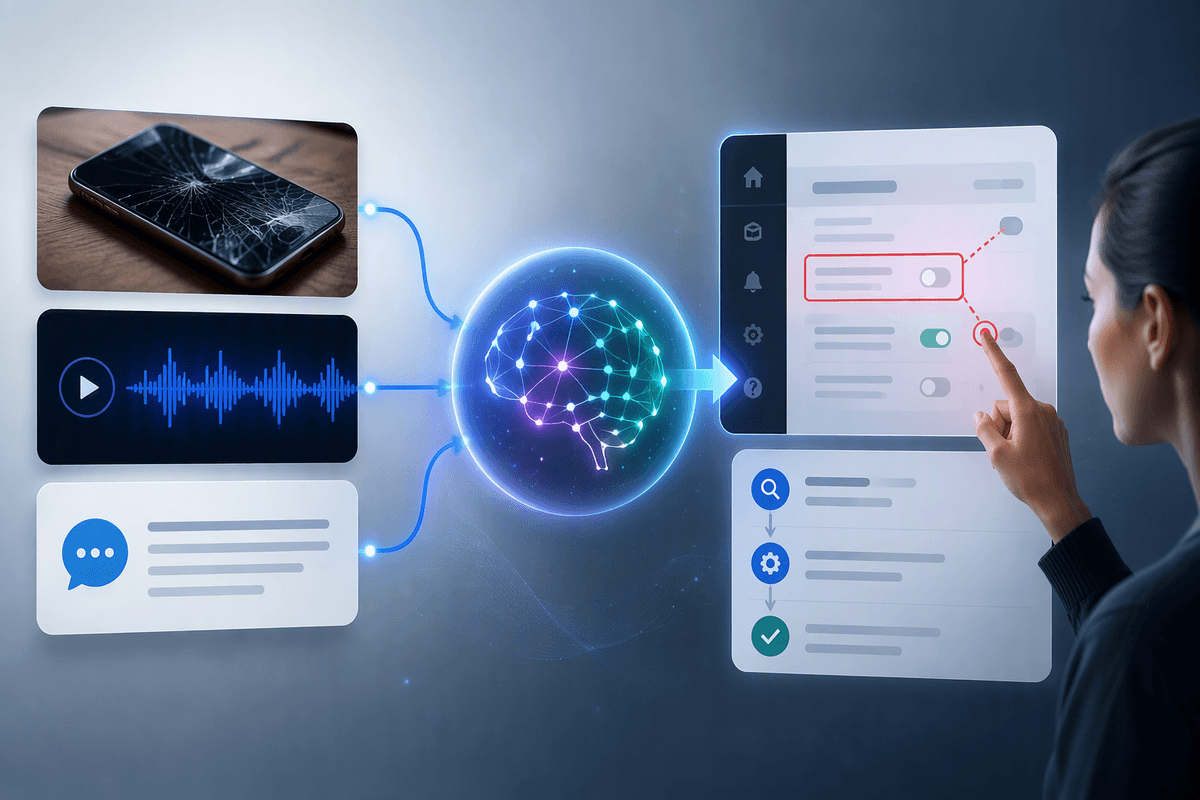
At a surface level, “AI” sounds like a single product you either trust or don’t. In practice, people are reacting to very different systems. The autocomplete in your email, the chatbot that drafts a policy memo, the model that screens job applicants, and the software that flags fraud all behave differently and carry different consequences when they’re wrong. A student using a tutor-like tool to practice problems is judging something unlike a manager deciding whether to rely on an AI summary in a compliance workflow.
This mismatch creates a lot of talking past each other. When someone says “AI is amazing,” they may mean a low-stakes assistant that saves time. When someone says “AI is dangerous,” they may be thinking about high-stakes decisions, data leakage, or a model that can’t explain why it produced an output. Even within one company, the costs vary: pilots are cheap, but safe rollout means evaluation, guardrails, training, and ongoing monitoring.
Your day-to-day experience sets your risk tolerance

Two people can look at the same AI tool and come away with opposite conclusions because their daily stakes are different. If you mostly use AI to turn rough notes into a cleaner email, the worst case is usually embarrassment and a quick edit. If you’re in HR, legal, finance, healthcare, or any role where a “reasonable-sounding” mistake can trigger compliance issues or harm someone, you learn to treat confident text as a liability until it’s verified.
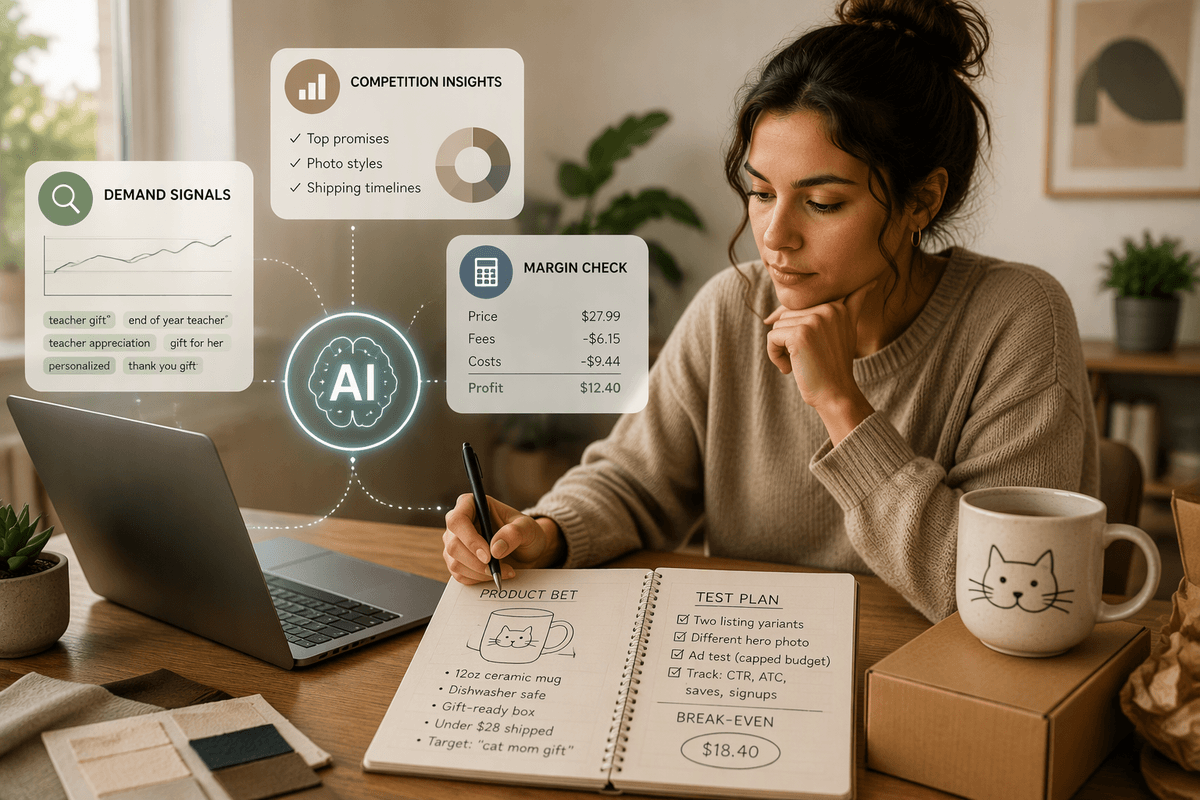
Even within the same job, your workflow shapes what feels safe. Someone who already reviews everything line by line may see AI as a faster first draft. Someone drowning in tickets, students, or customer requests may be tempted to trust outputs they don’t have time to check, which makes failures feel like a trap rather than a glitch. The careful use costs time: setting rules, validating sources, and building a habit of double-checking can erase a chunk of the promised speedup.
Jobs and status anxiety make the conversation emotionally loaded
You can watch the tone change when the topic shifts from “AI helps with drafts” to “AI can do parts of my job.” People aren’t only debating software; they’re protecting a sense of security and, in many cases, a professional identity built over years. A tool that writes passable copy, generates code, or summarizes meetings doesn’t just threaten tasks—it pressures the value of experience, taste, and domain knowledge. That’s why the same demo can feel like empowerment to one person and like a status downgrade to another.
This anxiety is amplified because workplaces rarely offer clean, fair transitions. Even if AI doesn’t eliminate a role, it can change who gets promoted, which work is respected, and how performance is measured. “Be more productive” can quietly turn into “do the same job with fewer people,” while the remaining staff inherit more review and accountability. Reskilling takes time and money, and most people have limited slack to experiment when deadlines and bills don’t pause.
Trust breaks when systems are opaque, biased, or unaccountable
Trust can break during an otherwise routine interaction: an AI system delivers a confident answer, someone acts on it, and the error only becomes apparent later, sometimes in a way that appears to benefit one party. Mistakes are easier to accept when the reasoning is understandable and the path to correction is clear. Confidence drops much faster when the system cannot show its evidence, cite dependable sources, or offer anything beyond “the model said so.” In the workplace, that distinction marks the point where AI shifts from a drafting aid to a black box making decisions.
Bias makes the stakes harder to ignore, especially when those decisions affect people directly. An AI screening tool may reject a candidate, a credit model may flag a customer, or a performance system may assign an employee a low score. Once harm occurs, determining what went wrong may be difficult, particularly when vendors, data pipelines, and internal teams each control only part of the process. Accountability still needs a clear owner. Building that level of trust also requires ongoing investment in audits, drift monitoring, appeal mechanisms, and explicit rules for when a human must review or override the system.
Media incentives and online identity push people into camps
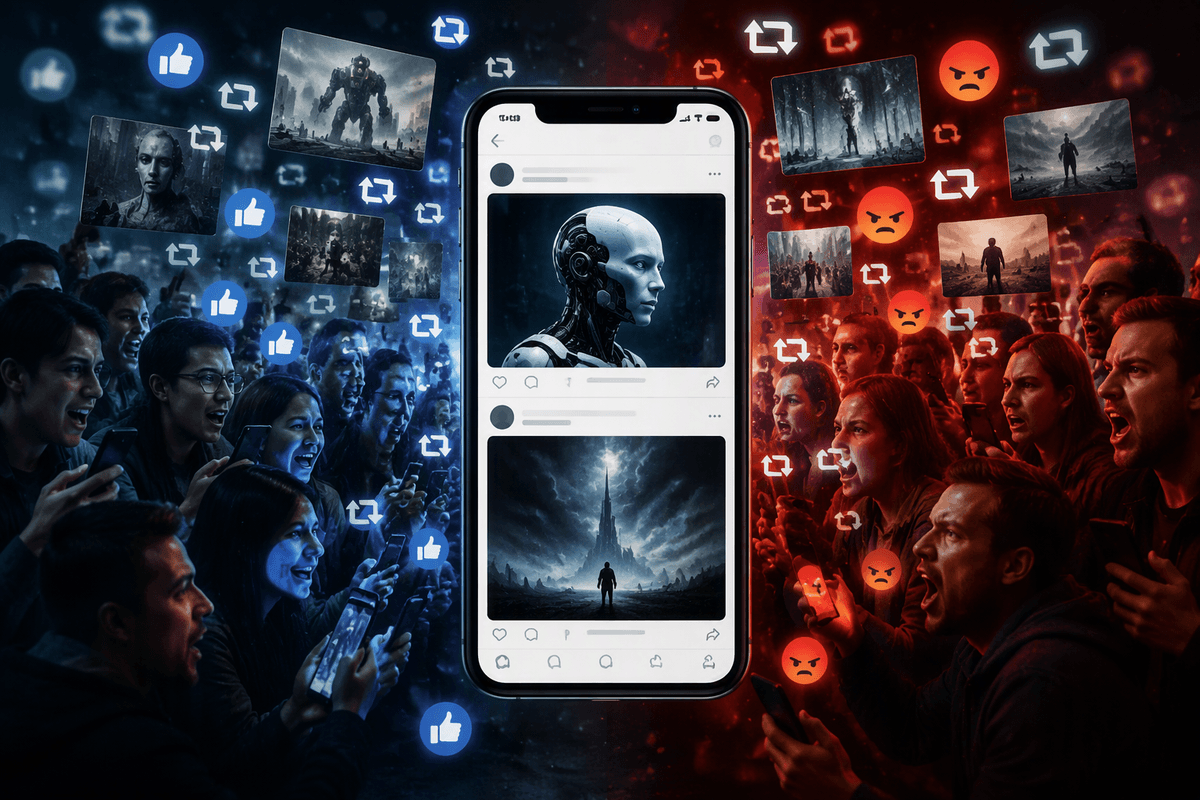
You’ve probably seen the same pattern play out: a new model launches, someone posts a dramatic screenshot, and within hours your feed is split between “game-changer” and “disaster.” Media rewards novelty and conflict, so careful caveats get squeezed out by bold claims that travel faster. Even well-meaning coverage can turn a narrow result into a general verdict, because “it depends” is harder to headline than “AI will replace you” or “AI will save you.”
Online, the argument isn’t just about the tool—it becomes a marker of who you are. If your peers are builders, optimism reads like competence. If your peers are critics, skepticism reads like responsibility. Once a stance signals identity, changing your mind can look like betrayal, so people defend the camp instead of updating on new evidence. The practical cost is time and attention: staying informed requires slowing down, checking what system was tested, and resisting the social pressure to react instantly.
Uncertainty about control, regulation, and power concentrates opinions
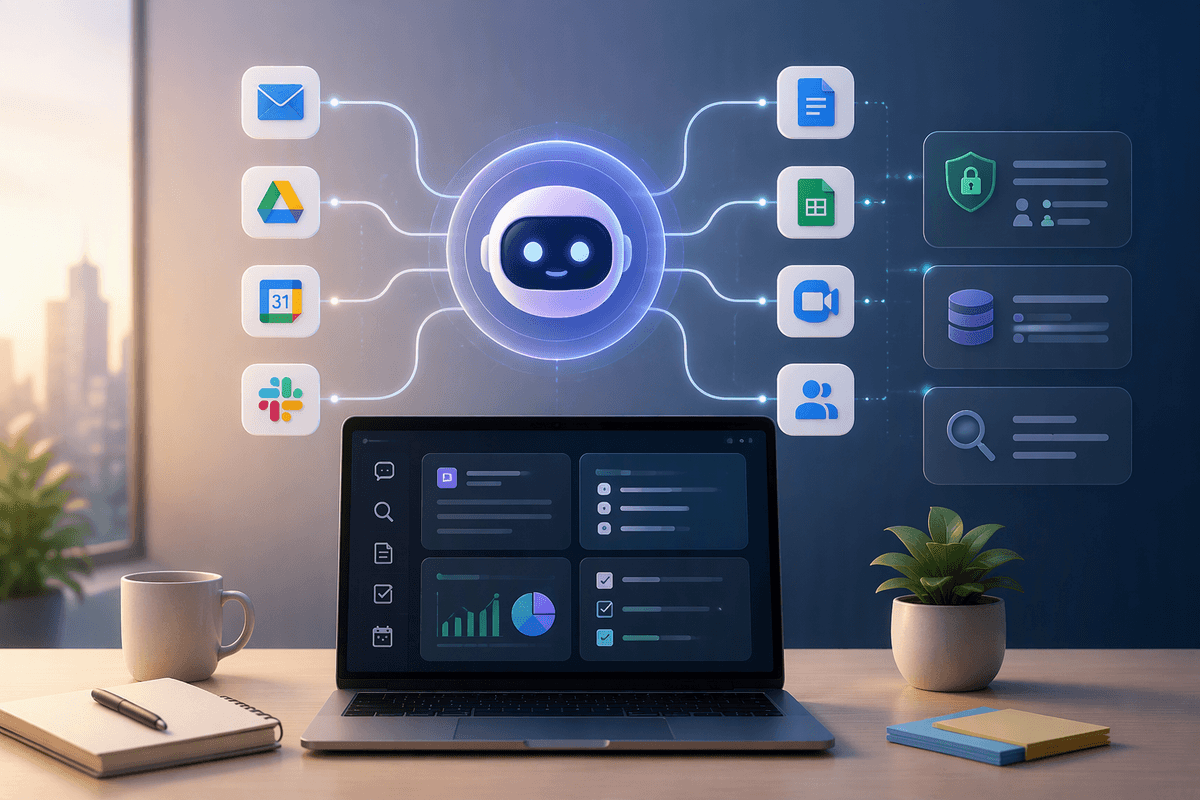
You can see opinions harden when the question shifts from “does it work?” to “who controls it?” At work, AI often arrives through a vendor contract or a platform update, so individuals feel the downside risk while having limited say over data use, model changes, or whether features can be turned off. That gap makes people either push for rapid adoption to avoid being left behind, or resist because they can’t verify the rules of the game.
Regulation adds another layer of uncertainty. If liability, disclosure requirements, and IP norms are still shifting, it’s hard to plan investments, hiring, or training with confidence. Concentrated power intensifies the stakes: when a few companies set the tooling and terms, small policy changes can ripple through thousands of workflows, and the cost of switching later can be higher than the cost of adopting carefully now.